In short: Houdini has a fearsome reputation: powerful, procedural, and steep, and indies rightly wonder whether it's worth the climb. The honest answer: Houdini is unmatched for systems, meaning things you'll generate many variations of, or regenerate as a design changes, and overkill for one-off models.
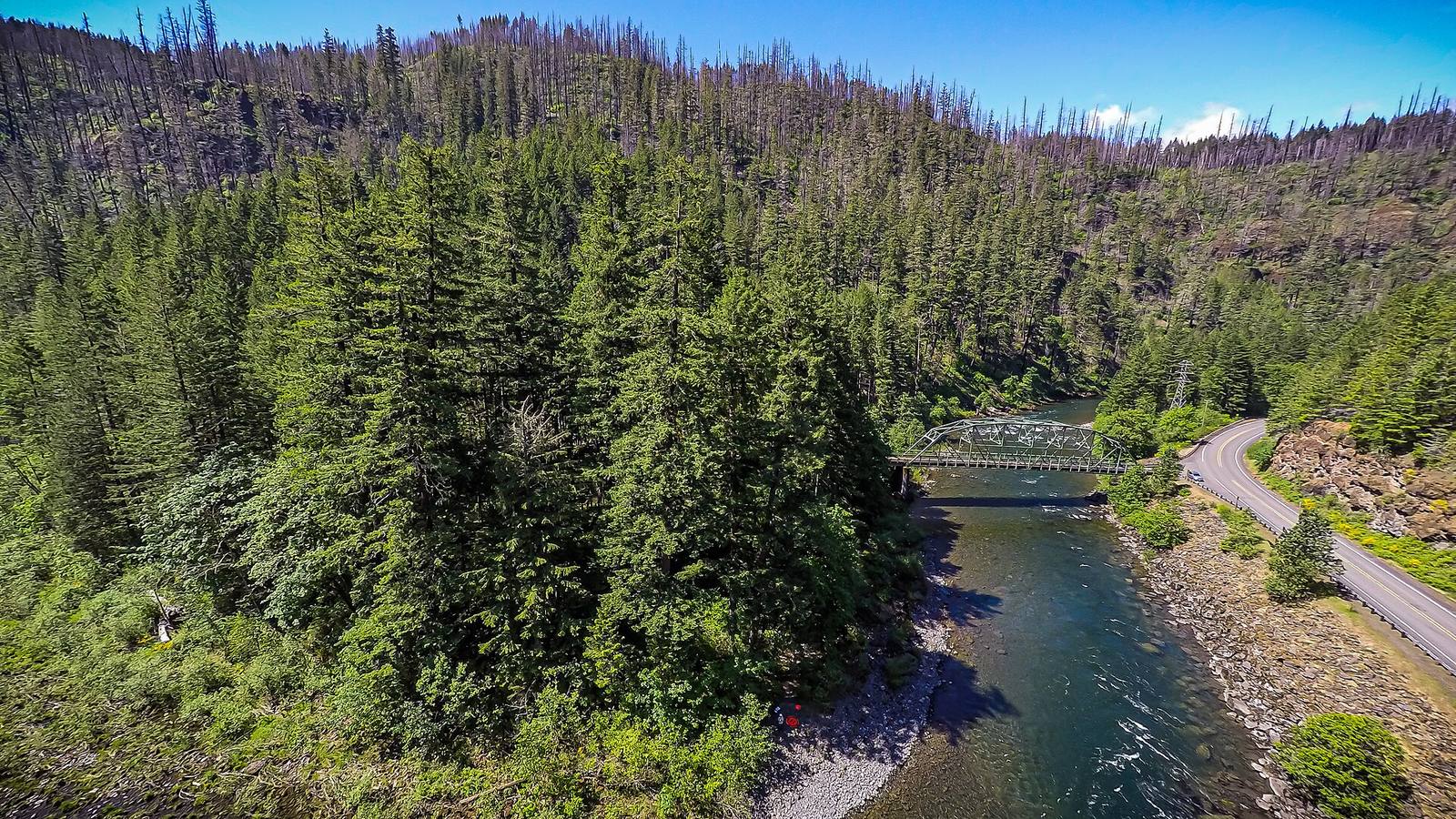 A delta is procedural nature: simple rules (water finds the lowest path) producing infinite variation. Houdini thinks the same way: you author the rules, and it generates the variation. That's the whole value proposition.
What "procedural" actually buys you
Reusable systems instead of one-off objects. Build a rock generator once and get infinite rocks; build a city-street tool and re-run it when the layout changes. Houdini's value is in things you'll make MANY of, or REGENERATE often, not in modelling a single hero prop.
Houdini's core promise is that you build a recipe, not a result. Author a procedural rock generator and you have unlimited rock variations for free; build a tool that scatters and ages a ruin, and when the art director changes the layout, you re-run it instead of redoing it. This is transformative for anything you need in quantity or anything likely to change: modular kits, scattered environments, destruction, terrain, roads. It is not the right tool for sculpting one bespoke statue; that's faster by hand. Judge every task by one question: will I make many of these, or regenerate this as things change? If yes, Houdini earns its keep.
The learning curve, honestly
It's real. Houdini is node-based, technical, and thinks differently from Maya or Blender. Expect weeks to feel productive, not days. But you don't need to learn ALL of it; a focused slice (SOPs for geometry, basic scattering) gets you real results fast.
There's no point pretending otherwise: Houdini asks more of you up front than almost any other 3D tool. It's deeply node-based, exposes the underlying data (points, primitives, attributes), and rewards a technical mindset. Feeling fluent takes weeks of deliberate practice, not an afternoon. But two things soften the climb. First, you don't need the whole application: most environment work lives in a focused slice (SOPs for geometry, scattering, basic attributes) you can learn without touching simulations or VEX wizardry. Second, the payoff compounds: every system you build keeps working forever. Budget the ramp honestly, start narrow, and it's a climb with a real summit.
Houdini Engine and digital assets
You don't have to live in Houdini. Package a tool as a Houdini Digital Asset (HDA) and run it inside Maya, Unreal or Unity via Houdini Engine, so a technical artist builds the tool once and everyone drives it with simple controls where they already work.
The feature that makes Houdini practical for a small team is the Houdini Digital Asset. You build a procedural tool in Houdini, wrap it as an HDA with a few exposed controls (density, size, seed), and then run it inside your other tools: Maya, Unreal, Unity, through Houdini Engine. The upshot: one person capable in Houdini can build tools the whole team uses without opening Houdini themselves, tweaking a scatter or regenerating a wall from simple sliders in the engine. For an indie, this is the leverage move: concentrate the Houdini skill in one place and distribute its power as friendly assets everywhere else.
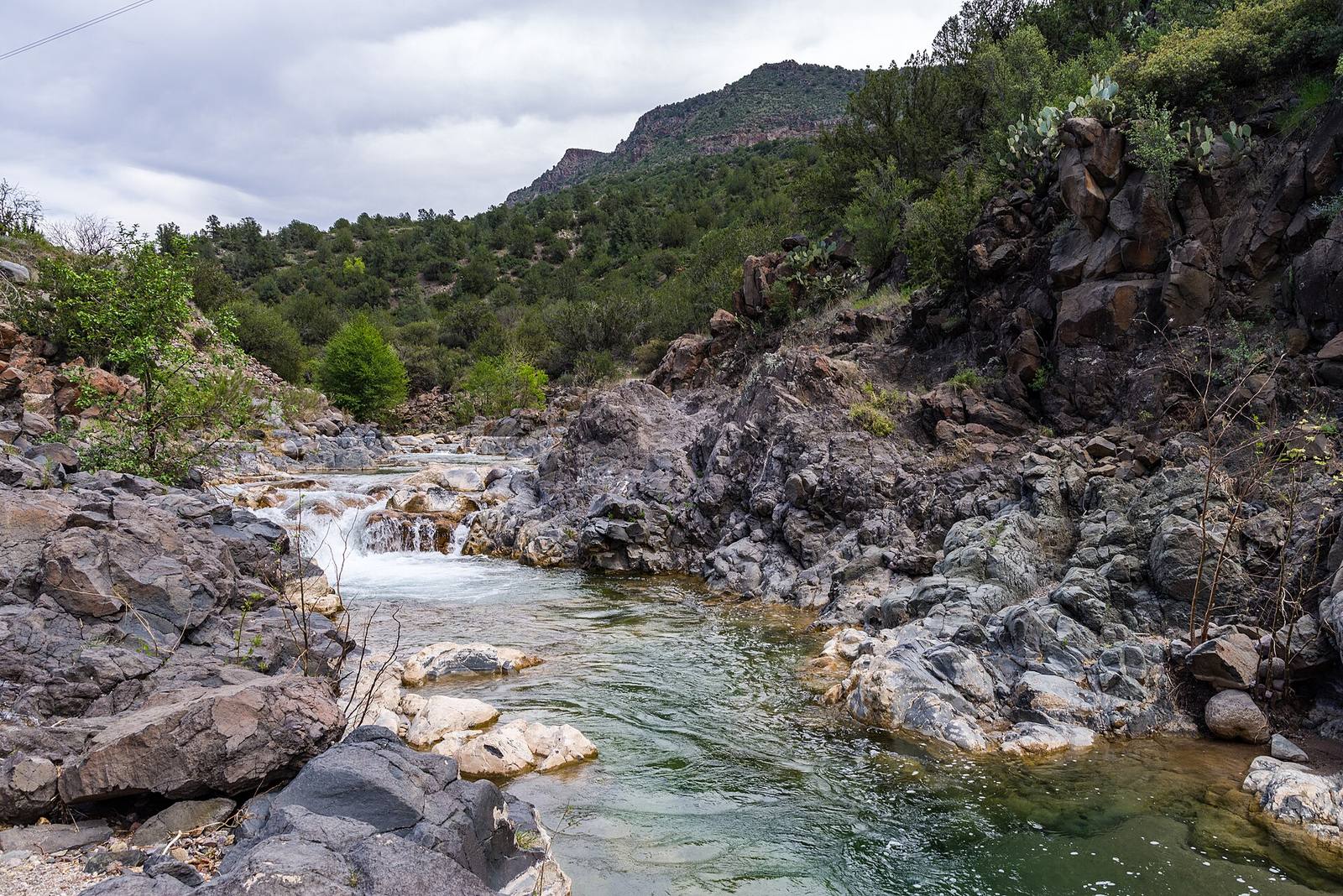 Terrain, erosion, riverbeds, scattered rock: this is Houdini's home turf. Generating and re-generating landscapes like this as a design evolves is exactly where procedural beats hand-work.
Where it beats hand-modelling
Terrain and erosion, scattering at scale, destruction and debris, modular systems, roads/rivers/cables that follow curves, and anything needing many variations. If the task is "generate lots" or "regenerate when this changes," Houdini wins.
The clearest wins for an environment artist: terrain (heightfields, erosion, realistic landscapes you can reshape); scattering at scale with rules; destruction and debris (fractured, believable rubble); modular and kit-piece generation; and anything that follows a curve: roads, rivers, fences, cables, pipes that update when the curve moves. In all of these, the alternative is slow, unrepeatable hand-work that has to be redone when the design shifts. Houdini turns those into systems you re-run. Match it to these tasks and it feels like a superpower; force it onto a one-off sculpt and it feels like overkill, because it is.
How to start without drowning
Pick ONE small system to build (a rock generator, a simple scatter), learn only the nodes that project needs, and finish it. Resist the urge to learn everything: one completed tool teaches more than ten tutorials, and it's immediately useful.
The way people fail at Houdini is trying to learn it all at once and drowning in its depth. The way people succeed is picking one concrete, small system and building it end to end (a rock generator, a fence-along-a-curve tool, a basic foliage scatter), learning only the nodes that task requires. You finish something useful, you internalize the procedural mindset through a real problem, and you have a tool you'll actually reuse. Then build the next one. Depth accumulates from completed projects, not from watching the whole feature set go by. Once your Houdini-generated assets are in-engine, they're ordinary geometry again, ready for engine-native scattering, blending and placement with instanced tools like Numivo, so the procedural power lands as clean, performant content.
Field numbers worth stealing
- Houdini wins on systems (many variations / regenerate on change), loses on one-off sculpts
- Learning curve: weeks to productive, not days, but learn a narrow slice first
- HDAs + Houdini Engine let one expert's tools run inside Maya/Unreal/Unity
- Home turf: terrain, erosion, scattering, destruction, curve-following, modular generation
- Start method: build one small tool end-to-end, learn only its nodes
Mini-FAQ
Is Houdini worth it for a solo dev? If your work involves systems, like terrain, lots of scattering, destruction, and modular generation, then yes, the leverage is huge. If you make mostly bespoke hero pieces, your time is better spent in a sculpting/ modelling tool. Match it to how you actually work.
Do I need to learn VEX (Houdini's code)? Not to start. You can go far with nodes alone. VEX unlocks deeper control later, but plenty of production environment work happens without writing a line of it. Add it when a task demands it.
Can my teammates use my Houdini tools without learning Houdini? Yes, that's the point of HDAs. Expose simple controls, and they drive your tool from Maya or the engine via Houdini Engine. Concentrate the expertise, distribute the power.
Houdini or Blender Geometry Nodes for procedural? Overlapping, different scales. Geometry Nodes is more accessible and lives where many artists already are; Houdini goes deeper and further for heavy systems and simulation. Small procedural needs: Geometry Nodes. Heavy, studio-scale procedural: Houdini.
Houdini is a climb, but it's a climb toward leverage: build a system once, reap it forever. For an indie, the trick is aiming that power at the right tasks, systems, not sculpts, and starting with one small tool instead of the whole mountain. Do that, and Houdini stops being intimidating and starts being the thing that lets a tiny team produce environment content at a scale that shouldn't be possible.