In short: Artists stand out in the AI era by developing what generic generation cannot supply reliably: a recognizable point of view, deliberate meaning, strong taste, deep craft, and a coherent body of finished work. Use automation for speed, but make the decisions, revisions, and presentation unmistakably yours. Competence alone is no longer enough.
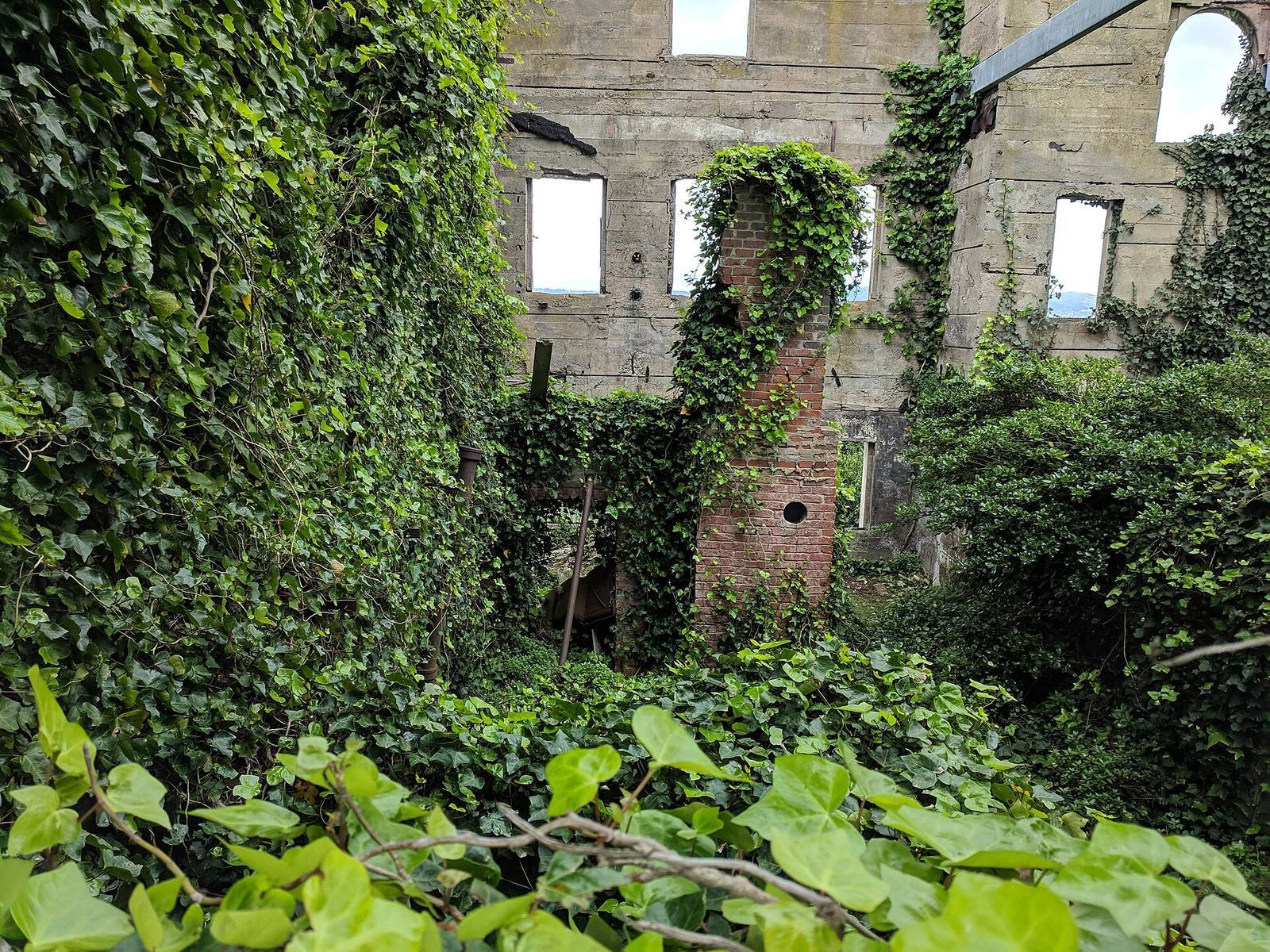 This has a point of view: a specific mood, a story, choices a person made. "Good enough" generated output is competent and soulless; the specific, intentional and meaningful is exactly the ground where a human artist wins.
Why "good enough" is the ceiling, not the threat
Generative AI excels at plausible, average, competent output, but "competent" is where it plateaus. It can't reliably produce the exceptional, the specific, or the meaningful, because it works from the average of everything. So the bar to stand out isn't higher, just different: be specific and intentional, not merely competent.
The anxiety is "AI makes good art, so why hire me?" Reframe it: AI makes good enough art, plausible, competent, average, and that's precisely its ceiling. It interpolates the average of its training, which is why its output is always a bit generic, a bit soulless, never quite specific. It can't reliably reach the exceptional or the meaningful because those are departures from the average, not the average itself. So "good enough" everywhere doesn't raise the bar to stand out, it shifts it. Competence is now cheap; the specific, the intentional and the exceptional are the differentiators. Your job is to be specific and meaningful where a machine can only be generic, not to out-compete it on competence.
Develop a point of view
A recognisable point of view, meaning your themes, your aesthetic, the choices only you make, is the single strongest differentiator, because it's the exact opposite of average-of-everything. Cultivate what you're drawn to and let it show consistently in your work.
The most powerful thing you can build is a point of view: a recognisable set of themes, sensibilities and choices that make your work yours. This is the direct opposite of generative output, which by definition has no perspective, being the mean of everything. Cultivate what genuinely draws you (certain moods, subjects, colour worlds, kinds of stories) and let it come through consistently, so someone could see three of your pieces and sense the same hand behind them. A distinct voice is impossible to generate and instantly memorable in a sea of competent-but-anonymous images. In the AI age, having a point of view isn't a nice extra. It's the core of standing out.
Intention and meaning over polish alone
"Good enough" output is polished but about nothing. Work that carries intention, such as a specific mood, a story, a reason every choice was made, resonates in a way directionless competence can't. Make work that means something, not just work that looks finished.
Generated images are often technically polished and yet strangely empty. They look finished but they're about nothing, because no one intended anything by them. That emptiness is your opening. Work that carries intention, meaning a specific mood you built toward, a story the scene tells, a reason behind every compositional and colour choice, resonates in a way directionless competence never does. Viewers feel the difference even when they can't name it: one image is decoration, the other is a place with a soul. So make work that means something, where the choices add up to a statement. Meaning and intention are human by nature, and they're what turn competent output into art someone remembers.
 The path forward for a human artist is making work that means something, with a voice, done with real craft, rather than trying to out-produce the machine. That's a direction "good enough" can follow you down but never actually reach.
Craft and finish beyond the generic
Take work further than "good enough" stops: the extra polish, the considered details, the finish that shows real care and skill. AI plateaus at plausible; pushing past that plateau into genuine excellence is a visible, human differentiator.
There's also a straightforward craft answer: go further than the plateau. Generated output stops at plausible; you keep going, adding the extra polish, the considered detail, the lighting taken one pass further, the composition refined until it sings, the finish that visibly shows care and skill. That push past "good enough" into genuine excellence is exactly where the human hand shows, and it's a difference viewers and hiring leads register immediately. In a flood of competent images, the exceptionally crafted one stands out precisely because reaching it required judgement and effort a generator doesn't apply. Master your craft to the point where your finish is a signature, and you're operating in territory "good enough" can't enter.
Build a coherent body of work
A portfolio of pieces that share a voice and vision says more than any single image. It proves a consistent artistic identity that can't be generated. Build a coherent body of work, not a pile of unrelated one-offs, and the whole becomes greater than its parts.
Finally, think beyond single pieces to a body of work. A collection of images that share a recognisable voice, sensibility and standard says something no individual image can: that there's a consistent artistic identity here, a person with a vision, not a lucky render. That coherence is impossible to generate and deeply persuasive: it's the difference between "made some nice pictures" and "is an artist." Curate toward a through-line; let your point of view unify the work; build a portfolio that reads as one voice across many pieces. The whole becomes greater than its parts, and that greater whole, an identity, is exactly what stands out and what studios and audiences connect with. Building that body of work faster, by using efficient tools to finish more pieces to a high standard, only strengthens the case, which is why even production-speed tooling like Numivo matters to an artist trying to build a distinctive, coherent portfolio in a competitive age.
Field numbers worth stealing
- "Good enough" is AI's ceiling, not the bar: compete on specific + meaningful, not competent
- Point of view, a recognisable voice, is the strongest differentiator; it can't be generated
- Intention and meaning resonate where polished-but-empty output can't
- Push craft and finish past the plateau: excellence is a visible human signature
- Build a coherent body of work: a consistent identity says what no single image can
Mini-FAQ
Isn't it discouraging that AI can make competent art? Only if you aim at competent. Once you see that "good enough" is its ceiling, it's freeing. It pushes you toward the specific, meaningful and exceptional, which is more fulfilling work anyway and exactly where you're irreplaceable.
How do I develop a point of view? Pay attention to what genuinely draws you, such as moods, subjects, colours, stories, and lean into it deliberately and consistently across your work. A voice emerges from making a lot of intentional work about what you care about, not from copying trends.
Does this mean I should ignore AI tools? No, use them to accelerate the grunt work and free time for the human parts (voice, intention, craft, finish). Standing out isn't about refusing tools; it's about spending the time they save on the things only you can do.
Will a strong point of view actually get me hired? Yes. In a market flooded with competent- but-generic work (human and generated), a recognisable voice and genuine craft are exactly what studios and audiences remember and seek out. Distinctiveness is a competitive advantage, not a risk.
When machines can make "good enough," the artists who stand out are the ones who don't aim for "good enough" at all, who bring a point of view, make work that means something, push their craft past the plateau, and build a coherent identity across a body of work. Those are the specifically human things a generator can never reach, and leaning into them is how you compete with AI and how you become the kind of artist worth remembering, which is what mattered all along.