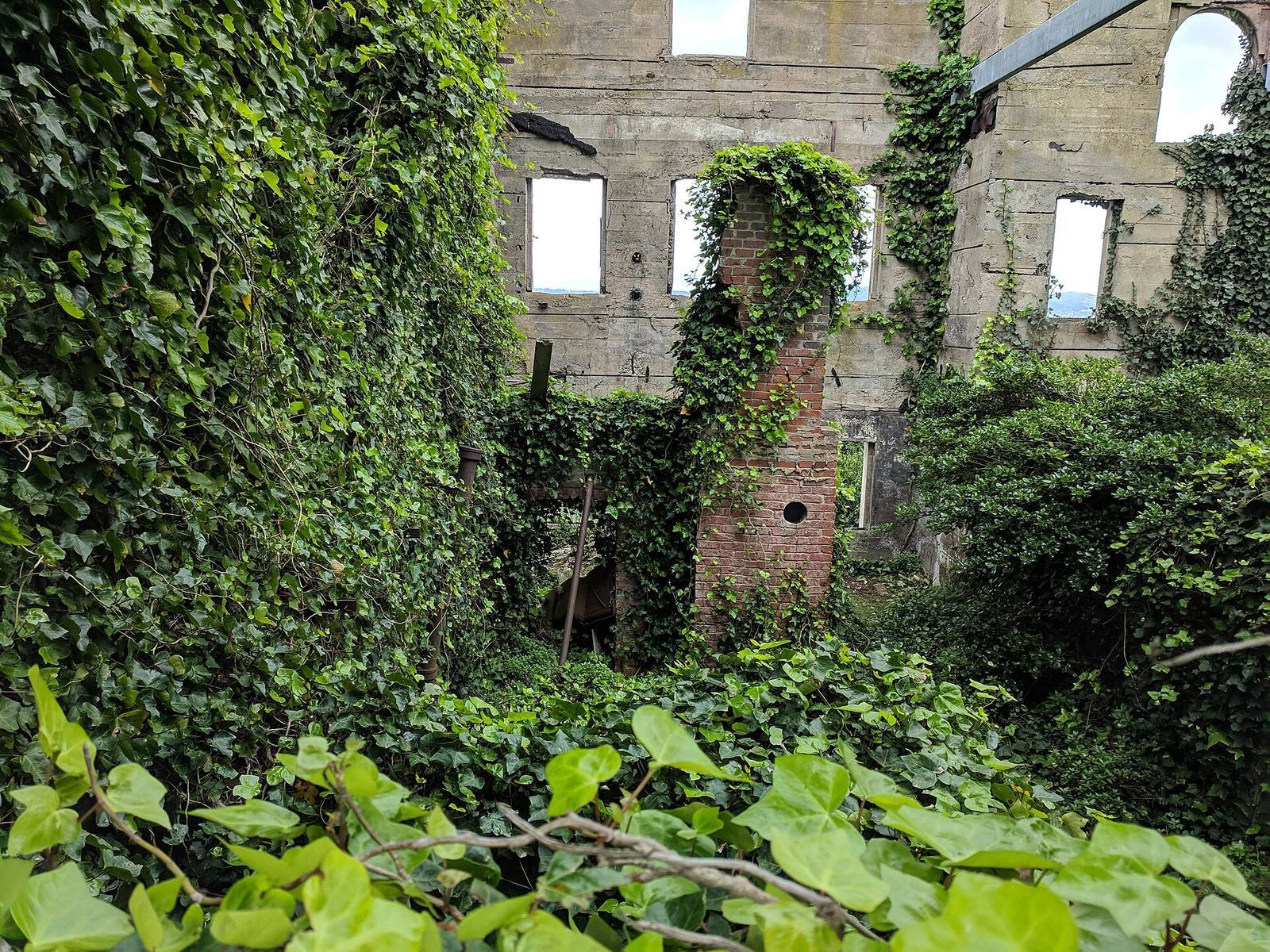
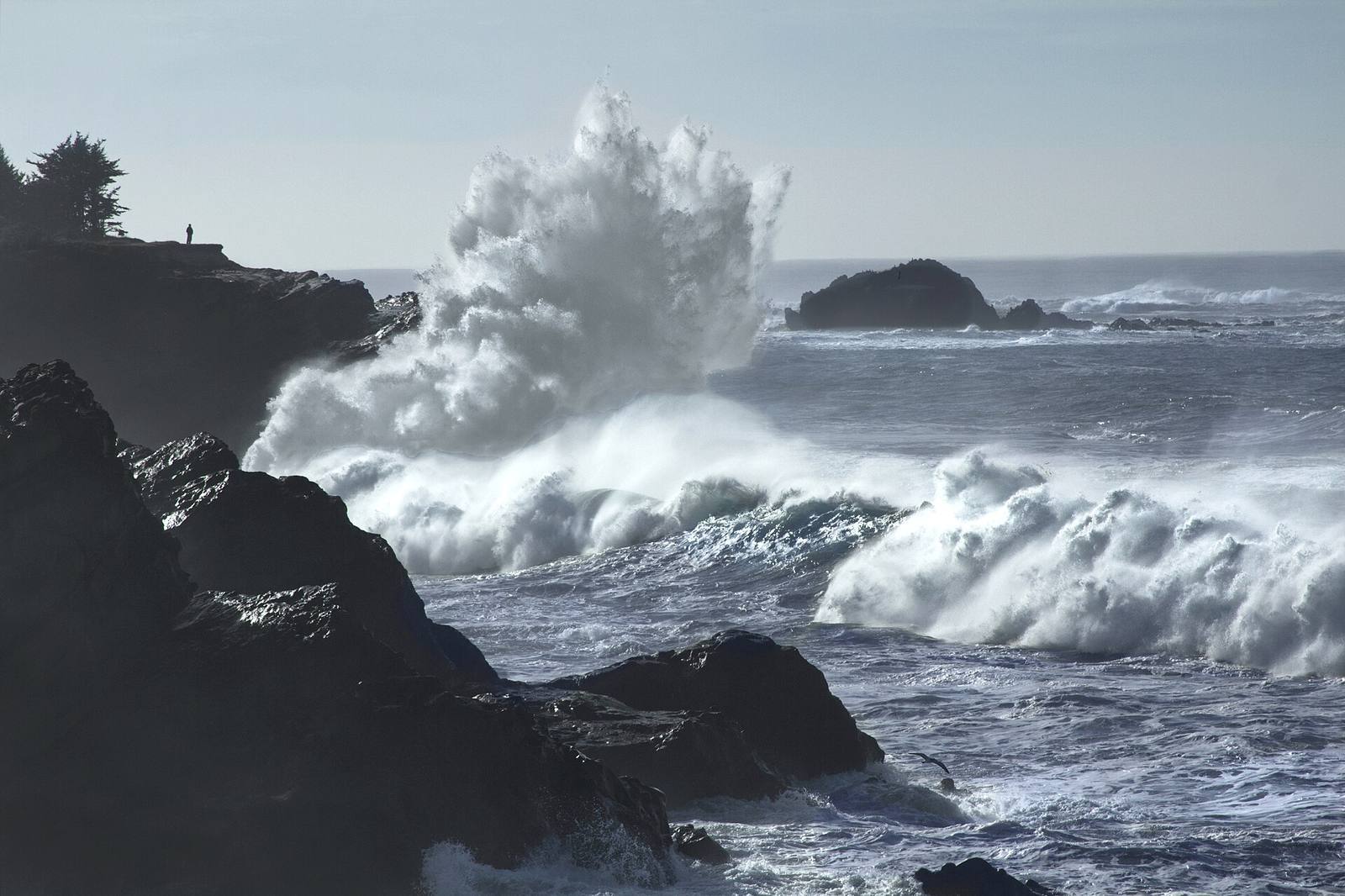
In short: 3D Gaussian Splatting captures a real place from a set of photos or video and renders it back with astonishing photorealism in real time. The result is a cloud of fuzzy "splats," not a mesh, and that distinction decides everything about whether you can use it in a game.
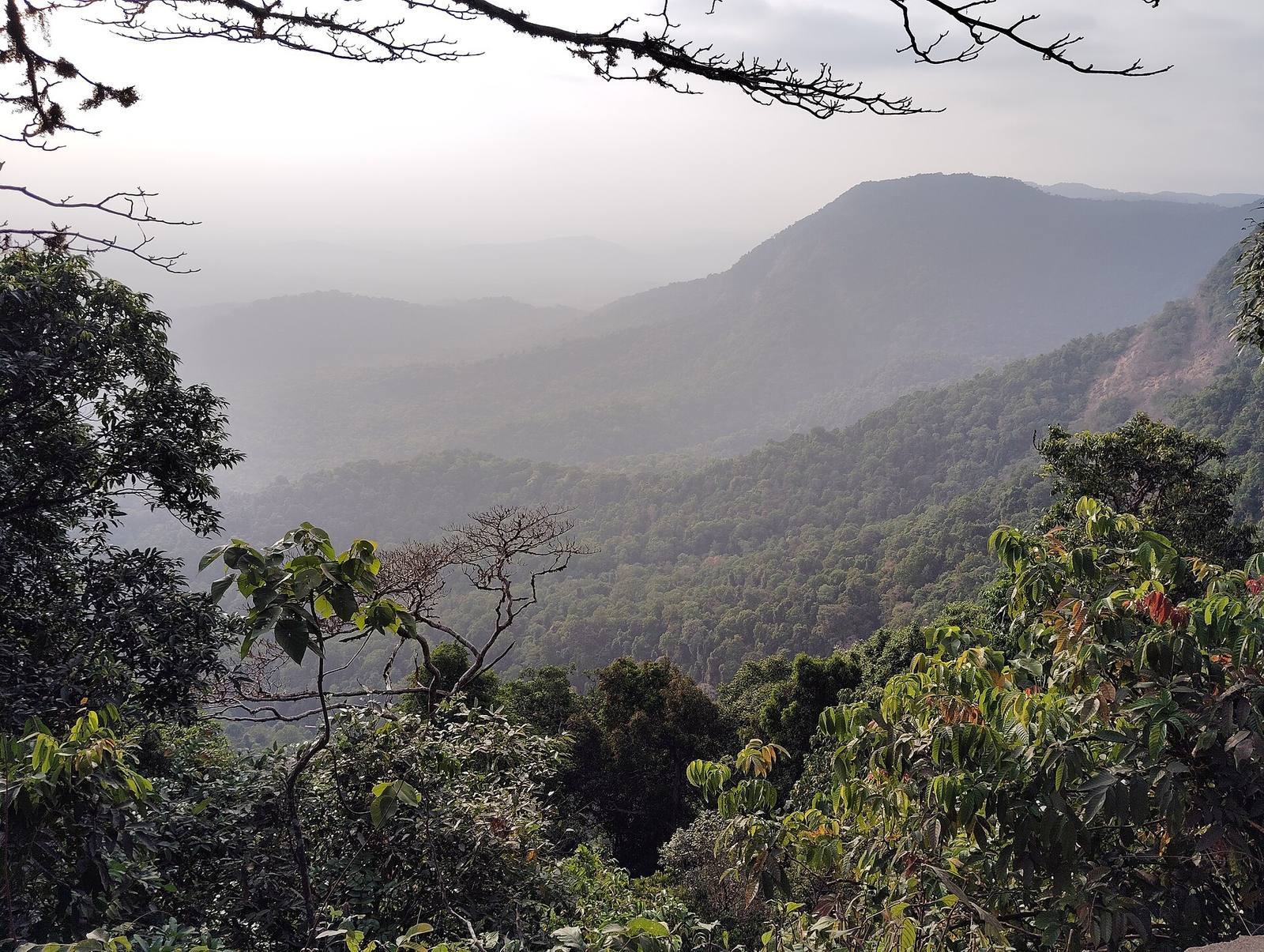 Gaussian Splatting is at its best on exactly this: a real, complex, organic place you'd rather capture than model. The catch is turning that capture into something a game engine can actually run, light and collide against.
What it actually is
3D Gaussian Splatting reconstructs a scene as millions of tiny, semi-transparent, coloured 3D blobs ("Gaussians"). Rendered together they recreate a photoreal view from any angle: a radiance field you can fly through, built from ordinary photos or video.
Where photogrammetry produces a textured mesh, splatting produces a point-based radiance field: each splat is an oriented, coloured, semi-transparent ellipsoid, and the renderer blends millions of them into an image that can be indistinguishable from a photograph. It captures things meshes struggle with, like soft foliage, fine detail and view-dependent reflections, because it isn't trying to define hard surfaces at all. That's its superpower and, for games, its central problem: a splat cloud has no surfaces, no polygons, and no normals in the sense an engine expects.
Why splats aren't meshes (and why that matters)
Games are built around meshes, for collision, physics, navigation, shadows and standard shading. A splat cloud has none of that. It's a gorgeous image-from-any-angle, but the player can't stand on it, it doesn't cast normal shadows, and it doesn't light dynamically.
Every system in a game engine assumes surfaces. Collision needs geometry to push the player off. Navmesh needs a floor. Shadow maps and global illumination need occluders. Standard materials need normals and a lighting response. A raw Gaussian splat scene provides none of these. It's a view-dependent appearance, baked with the lighting from the day it was captured. So dropping a splat capture into a level gives you something beautiful to look at and nothing to play on. This is the single most important thing to understand before you get excited: splatting solves rendering a captured look, not building a playable space.
The real problems in a game pipeline
The honest blockers are collision (none), editing (hard, since you can't easily move a splat "object"), dynamic lighting (baked in), memory (splat clouds are large), and integration (engines are only beginning to support them natively in 2026).
The practical friction, roughly in order of pain:
- Collision & navigation: you must generate proxy geometry separately, since splats give the player nothing to walk on.
- Editing: a splat cloud isn't objects; deleting a car or moving a rock is awkward because there's no "car," just splats that happen to look like one.
- Baked lighting: the capture freezes the day's light. Relighting a splat scene for a night level, or matching it to dynamic in-game lighting, is an open problem.
- Memory & streaming: high-quality captures are heavy, and streaming them at scale is not yet a solved, standardized thing.
- Engine support: it's arriving, with plugins and experimental renderers in 2026, but it's not the mature, click-and-go path that meshes are.
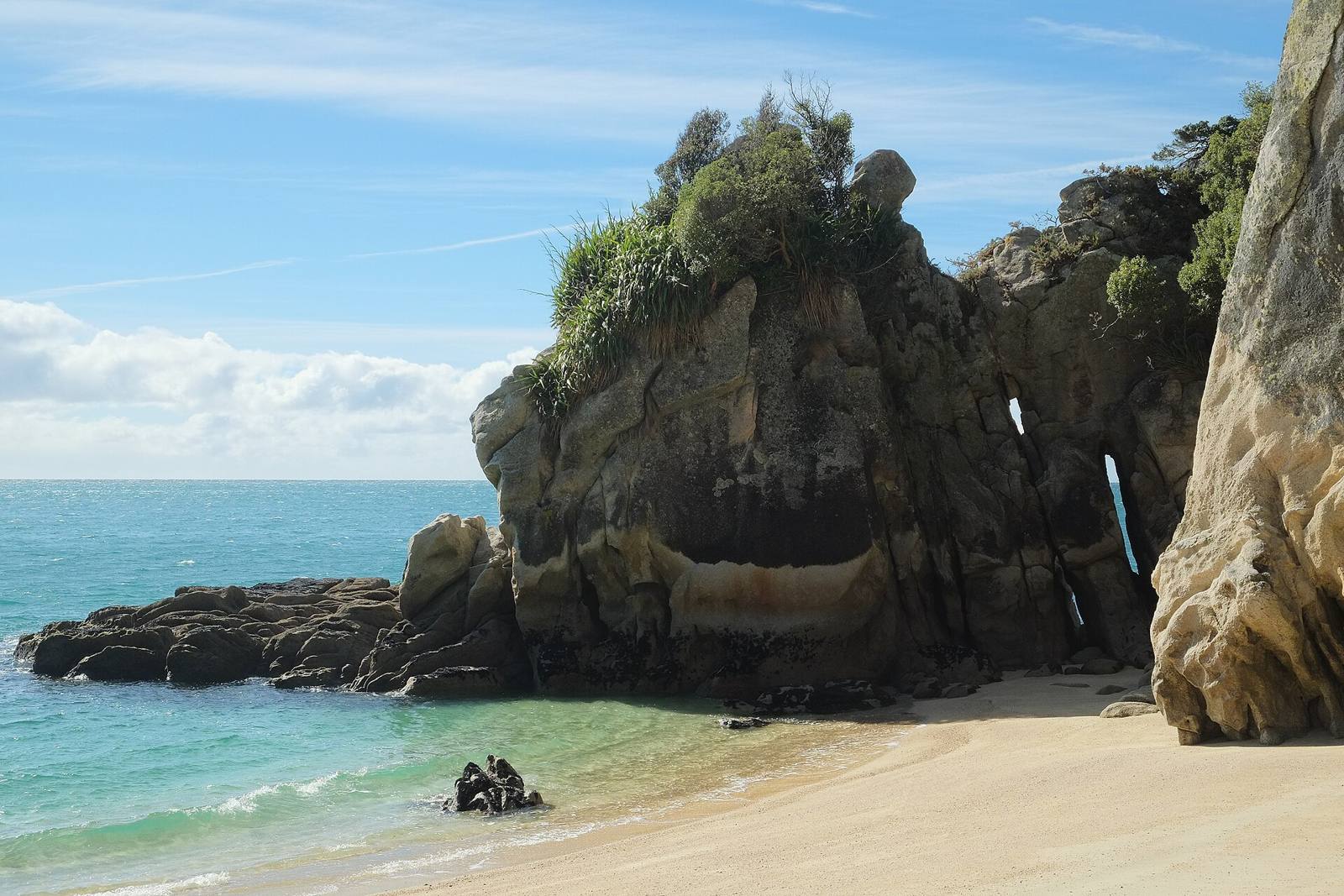 This is the sweet spot: eroded, chaotic, organic surface that would cost days to model. Capture it, extract a mesh for collision, and use the splats (or the extracted photoreal textures) for the look.
Mesh extraction: the bridge
The practical 2026 workflow is hybrid: capture with splatting for the photoreal look, then EXTRACT a mesh (via surface reconstruction) to get collision, proxy geometry and something the engine can treat normally. You keep the fidelity where it helps and gain the game systems you need.
The bridge between "beautiful capture" and "usable asset" is extraction. Tools in 2026 increasingly let you reconstruct a mesh from the splat field (or from the same source photos), giving you a conventional textured model for collision, navigation and standard shading, while optionally keeping the splats as a high-fidelity render layer for hero backdrops. Think of it as two products from one capture: the mesh for playing, the splats (or baked photoreal textures) for looking. That hybrid is where splatting stops being a demo and starts being a pipeline step, because the extracted mesh drops into your normal tools like any other scanned asset.
Where it honestly fits in 2026
Today it shines for non-interactive or lightly-interactive photoreal content: backdrops, distant vistas, cutscene sets, virtual production, archviz, "digital twins", and for capturing organic hero assets you then extract to meshes. It's not yet the way you build a whole playable level.
Be realistic and it's genuinely useful: unreachable photoreal backdrops behind a playable foreground; establishing shots and cutscene environments; virtual production stages; capturing a real location as reference or as an extractable asset. Where it's not ready is as the substrate of an entire interactive level with dynamic lighting and full physics, because the game systems just aren't there yet. Use it for the look, extract meshes for the play, and treat it as a powerful new tool in the kit rather than a replacement for how you build. Once you've extracted that mesh, everything downstream is ordinary environment work: scattering supporting detail, blending it into the terrain, dressing around it, in the same instanced, engine-native workflow Numivo is built for. So the exotic capture becomes a normal asset the moment it's a mesh.
Field numbers worth stealing
- A splat scene = millions of semi-transparent 3D Gaussians, not polygons
- Splats give you: the look. They do NOT give you: collision, navmesh, dynamic light, easy editing
- The 2026 workflow is hybrid: capture with splats → extract a mesh for the game systems
- Best fits today: backdrops, vistas, cutscenes, virtual production, captured hero assets, not whole playable levels
- Capture quality depends on coverage: shoot the subject from many angles, evenly, in consistent light
Mini-FAQ
Is Gaussian Splatting just better photogrammetry? Different, not strictly better. Photogrammetry gives you a mesh directly (game-ready but sometimes lower-fidelity on soft detail); splatting gives you a higher-fidelity render but no mesh. In 2026 they're increasingly combined: capture once, get both.
Can I light a splat scene dynamically? Only in a limited way today, because the capture bakes the original lighting. Relightable splatting is an active research area; for now, plan splat content for fixed-lighting roles or extract a mesh and light that conventionally.
Will it replace modelled environments? Not soon, and maybe not ever for interactive spaces. It's a capture technique for real places; hand-built modelling still wins for designed, gameplay-driven, fully-dynamic levels. Expect coexistence, not replacement.
What do I need to make a capture? A good set of overlapping photos or a steady video of the subject from many angles, in even lighting, plus splatting software to train the field. Consistency of coverage and light matters more than an expensive camera.
Gaussian Splatting is the most exciting new way to get a real place into a game, as long as you're clear-eyed about what it gives you. Capture the look, extract the mesh for everything a game needs, and use it where photoreal appearance matters more than full interactivity. Understood that way, it's a genuine addition to the 2026 environment toolkit rather than the hype it's sometimes sold as.