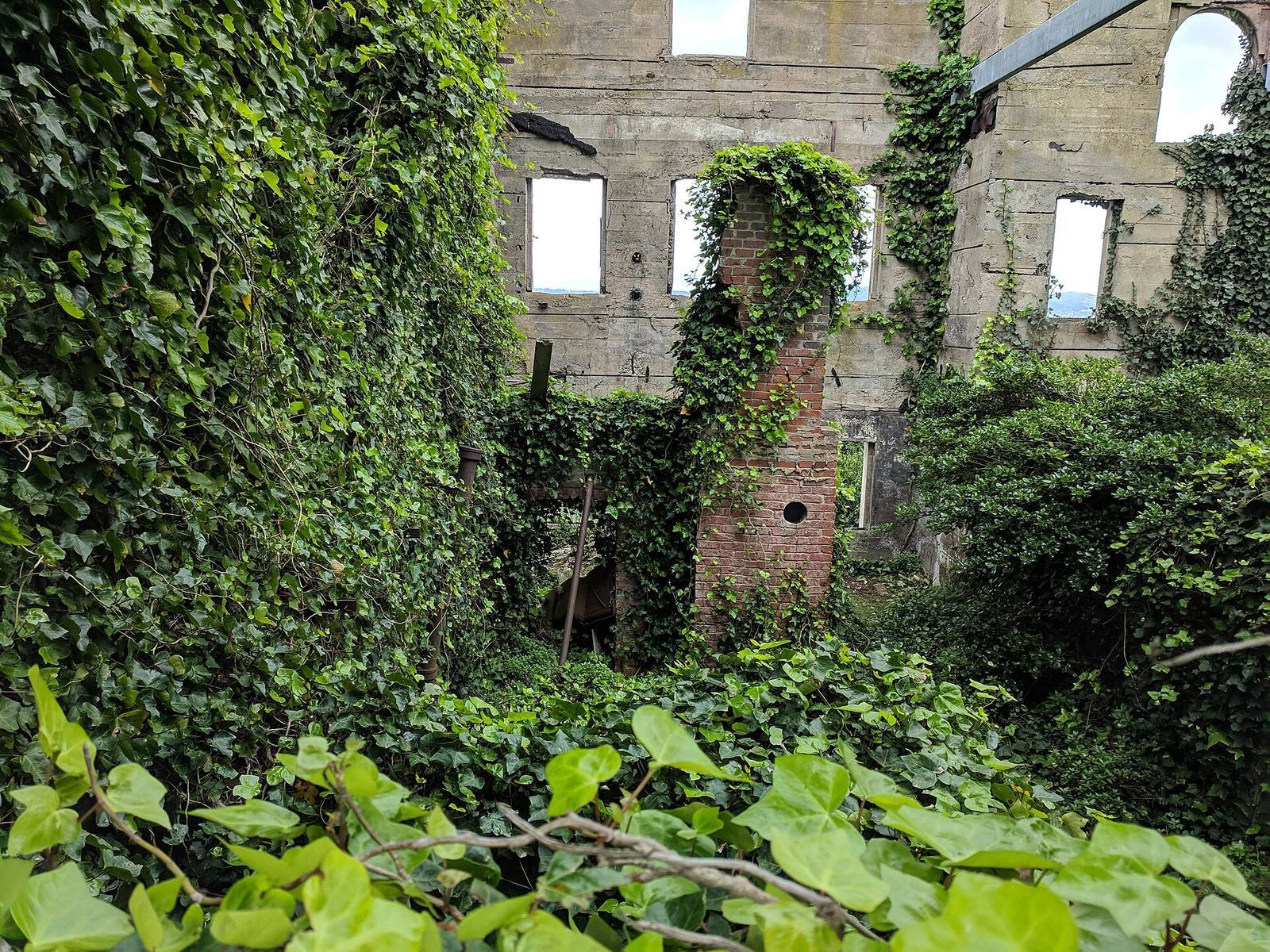
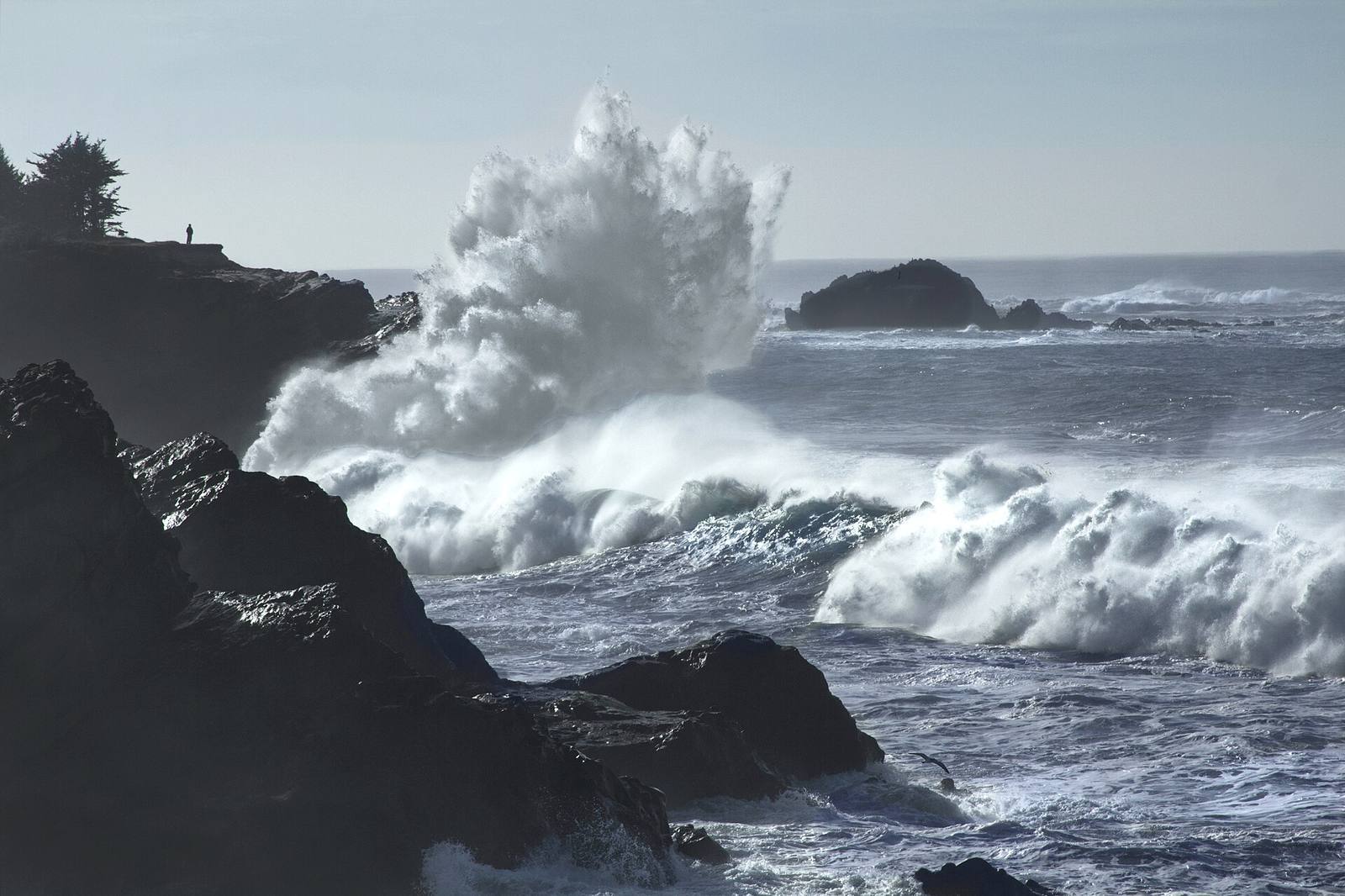
In short: The gap between environments that feel real and ones that feel made-up is almost always observation, and observation is trained by reference. Reference isn't cheating or a crutch: it's how professionals get the thousand small truths right, like how mud pools, how paint peels, how light falls in a real room.
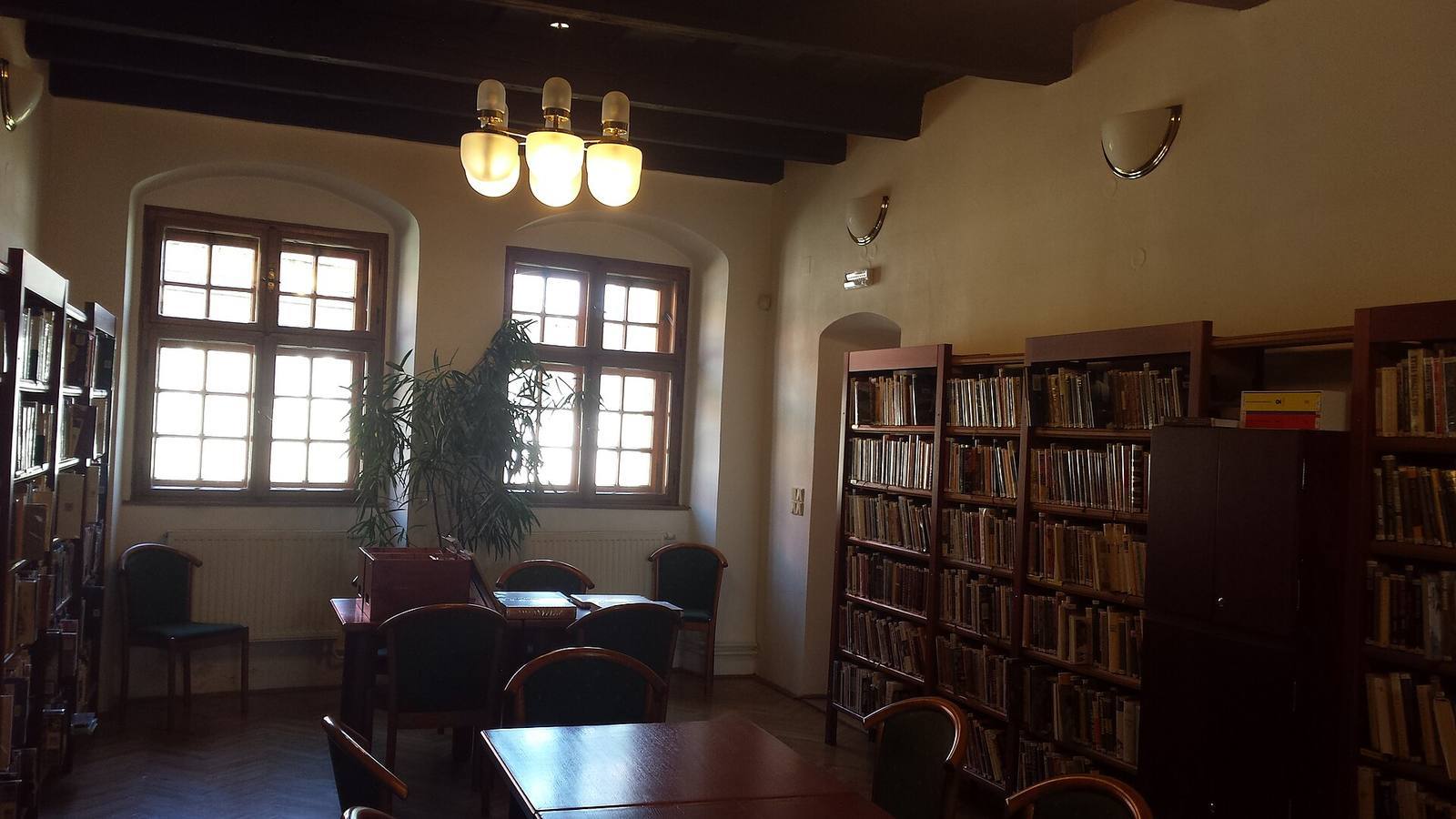 A reference library is only useful if it's findable. Ten thousand saved images you can't search are a hoard; a few hundred you've tagged and studied are a tool that makes every scene you build more believable.
Reference is a skill, not a crutch
Every professional works from reference, because it's how you get the details right that you'd otherwise invent wrong. Working from reference isn't copying; it's grounding your work in how the world actually looks, which is exactly what "believable" means.
There's a myth among beginners that using reference is a lesser way to work, that "real" artists pull it from imagination. The opposite is true: professionals use more reference, not less, because they know the eye is a liar and memory smooths over exactly the details that sell realism. You think you know what a brick wall looks like until you try to build one from memory and it comes out too regular, too clean, too evenly coloured. Reference is how you catch the irregularity, the grime, the way the mortar recedes, the truths that make a surface read as real instead of as a texture. Grounding your work in observation isn't cheating. It is the craft.
Gather with intent, not by hoarding
Don't just save pretty pictures. Collect reference for a purpose. Before a scene, gather targeted reference for its materials, its mood, its scale and its wear. A focused board of 30 relevant images beats 3,000 random ones.
The failure mode is the giant undifferentiated hoard: thousands of saved images you never open. Reference earns its keep when it's gathered with intent around a specific need. Building a rusted industrial interior? Collect reference specifically for rust patterns, concrete wear, the way pipes are routed, the quality of that flat overhead light. A small, curated board aimed at the scene in front of you is worth more than an enormous archive you scroll past. Gather for the problem you're solving, and your reference actively answers questions instead of passively accumulating.
Collect more than "pretty"
Go past hero shots. Collect material close-ups (how surfaces actually read), scale references (things next to people), wear and aging (how things break down), and lighting studies (how real light behaves in real spaces).
Beautiful wide shots are the least useful reference, because they don't tell you how things are made. The reference that upgrades your work is granular:
- Material close-ups: the actual grain, pore, scratch and colour variation of surfaces, not a stylized version.
- Scale references: objects photographed next to people or known-size things, so you build at believable proportions.
- Wear and aging: how paint peels, metal rusts, wood grays, edges chip. Decay is where believability is won.
- Lighting studies: real photos of how light fills real rooms, how shadows soften, how bounce colours a wall.
Collecting these teaches you the underlying rules, so your work improves even when you're not looking at the board, which is the real payoff.
 Reference isn't only screens and folders. It's trained attention to the real world. The artist who notices how light rakes across this path, how the ground transitions, how depth fades, brings all of it back to the scene they build next.
Organize it so you actually use it
An unsearchable reference pile is dead weight. Tag by subject, material, mood and use, keep boards per project or theme, and prune ruthlessly: findable reference gets used, buried reference doesn't.
A reference library follows the same law as an asset library: if you can't find it in under a minute, it effectively doesn't exist. So organize with the same discipline. Tag images by what they show (material, subject, biome), by mood, by the kind of problem they solve; keep focused boards per project or theme; and prune the duplicates and the never-used. The goal isn't the biggest collection, it's the most retrievable one. This is the same findability problem a content browser solves for game assets, with consistent thumbnails, fast search, sensible tags, which is why the habits that keep a scatter library usable in Numivo apply just as well to the reference that feeds it: both live or die on whether you can find the right thing when you need it.
Study it, don't just glance
Analyze your reference. Why does this surface read as old? Where is the light coming from? What's the value structure? Active study trains your eye so believability becomes intuition, not a per-scene lookup.
The difference between reference-as-crutch and reference-as-training is analysis. Don't just place an image beside your viewport and eyeball colours. Interrogate it. Why does that wall read as decades old? Is it the streaking, the biological growth, the way wear concentrates on edges and traffic paths? Where's the light, and how does it bounce? What's the value structure when you squint? Asking these questions turns each reference into a lesson, and over time the lessons compound into an eye, an intuition for how the world looks that lets you build believable spaces even without the exact image in front of you. That trained eye, not any single board, is the real prize.
Field numbers worth stealing
- Findability rule: under 1 minute to retrieve, or the reference is dead weight
- Gather with intent: a focused 30-image board beats a 3,000-image hoard
- Collect the useful kinds: material close-ups, scale, wear/aging, lighting
- Organize like an asset library: tag by subject/material/mood, prune often
- The payoff isn't the board, it's the trained eye active study builds
Mini-FAQ
Isn't working from reference just copying? No. Copying reproduces one image; referencing extracts the rules (how light behaves, how surfaces age) and applies them to your own composition. You're learning how the world works, then building your own thing that obeys those truths.
Photo reference or 3D scans? Both, for different jobs. Photos train your eye and inform art direction; scans give you accurate geometry and materials to build from. Scans are a starting asset; photos are a teacher. Use each for what it's for.
How big should my library be? As big as stays findable. A curated few hundred tagged, studied images beats tens of thousands you never open. Prune aggressively, since an unsearchable pile trains nothing and helps no scene.
Do stylized games need reference too? Absolutely. Stylization is a deliberate departure from reality, and you can't deliberately depart from something you don't understand. The most convincing stylized worlds are built by artists who know exactly what they're abstracting, because they studied the real thing first.
Reference is the quiet engine behind believable environments. Gather it for the problem in front of you, collect the granular truths and not just the pretty shots, keep it findable, and study it, and it will stop being something you look at and start being something you know.