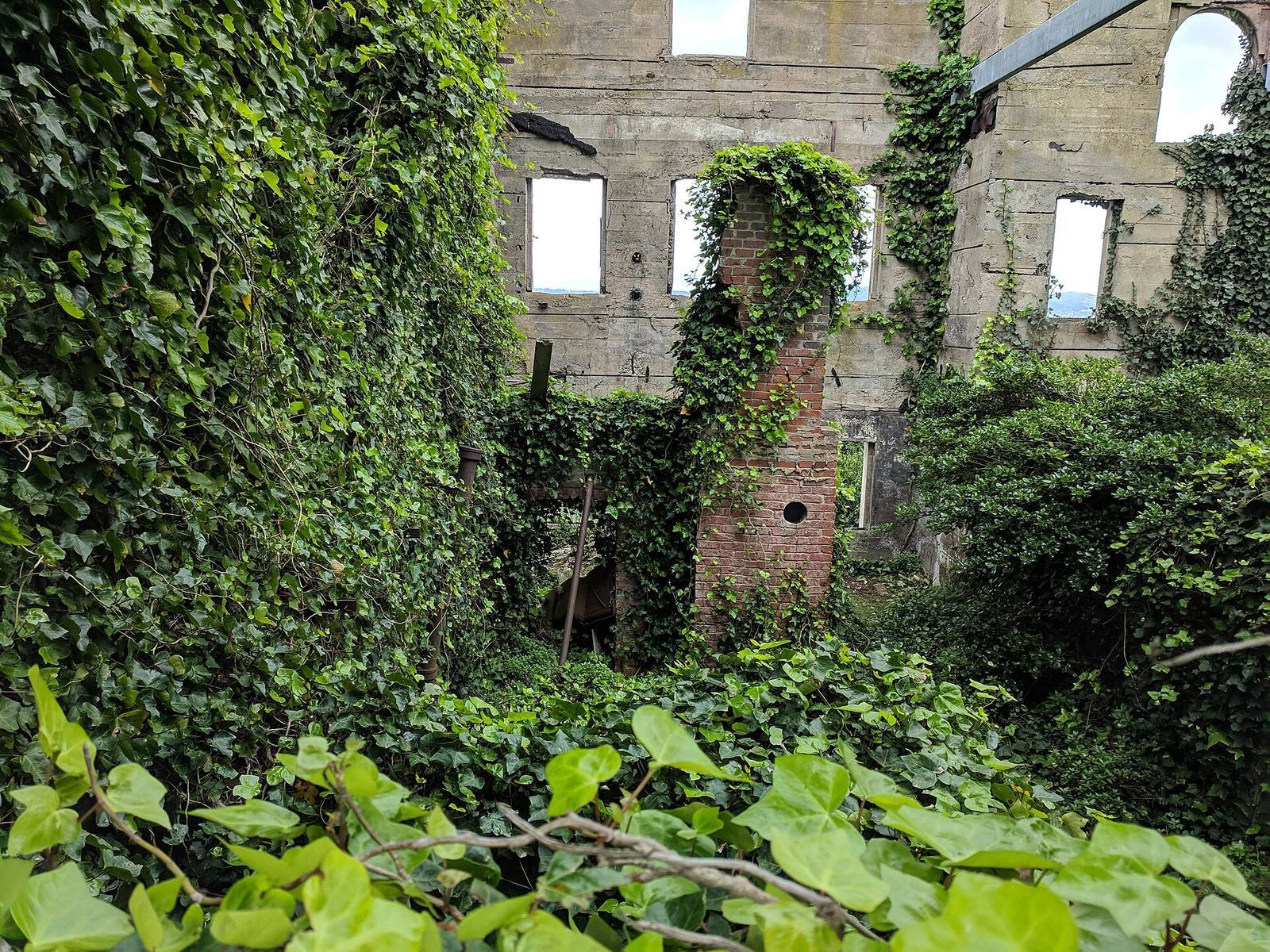
In short: Tools change every year; the principles that make a level good barely change at all. Underneath the engines and trends sit a handful of durable fundamentals: pacing and rhythm, readability, risk and reward, meaningful choice, and the intention-and- playtest loop, that have shaped great levels for decades and will shape them for decades more.
 These stones have outlasted every technology that came after them. Level design has its own such constants: principles that were true in the earliest games and will be true in the newest. Learn those and you're never obsolete.
Pacing and rhythm
Good levels breathe: tension and release, action and calm, dense and open. A relentless level exhausts; a flat one bores. Deliberately vary intensity so the player has peaks that land because they're set up by valleys.
The oldest truth in level design is that experience needs rhythm. A level that's all combat exhausts; one that's all calm bores. Great levels alternate: a tense fight followed by a quiet stretch to recover and take in the world, a claustrophobic corridor opening into a vista. That contrast is what makes the peaks feel like peaks: a big moment lands because a quiet one set it up. This is pacing, and it's identical whether you're building a 1990s platformer or a 2026 open world: vary intensity deliberately, give the player room to breathe between the highs, and the whole experience feels shaped rather than flat.
Readability and guidance
Players must understand a space quickly: where can I go, where should I go, what's dangerous. Use light, composition, landmarks and affordances to answer those before the player has to ask. A beautiful level that confuses is a failed level.
A level the player can't read is a level that frustrates, no matter how gorgeous. The fundamental is legibility: at a glance, the player should sense where they can go, where they probably should go, and what's a threat. You achieve it with the same timeless tools: light pulling the eye toward the path, composition and leading lines pointing the way, landmarks for orientation, affordances that signal what's interactive or climbable. Guidance without a UICompass is a craft as old as level design and as relevant as ever, because human perception hasn't changed. If playtesters get lost, the level has a readability problem no amount of detail will fix, and readability is pure fundamentals.
Risk and reward
Give players interesting choices between safety and gain: the risky path with the better loot, the optional hard area with the payoff. Meaningful risk/reward makes exploration and decisions feel consequential instead of flat.
Levels come alive when they offer interesting decisions, and the most durable is risk versus reward. The high ledge with the better item, the optional tough encounter guarding something worthwhile, the shortcut that's dangerous: these turn a space from a corridor into a set of choices the player owns. The reward has to justify the risk, and the risk has to be real, or the choice is hollow. This principle predates 3D and will outlast whatever comes next, because it's rooted in what makes play engaging: consequential decisions. Salt your levels with genuine risk/reward and exploration stops being tourism and becomes a series of small, meaningful gambles.
 Every good space is a series of decisions: which way, how risky, what's worth it. The tools render the stairs; the fundamentals decide whether climbing them means anything.
Meaningful choice and player expression
Let players approach spaces in more than one way: a route, a tactic, a play style, so the level responds to them. Even modest choice (two paths, cover options) creates ownership and replay value that a single scripted route can't.
Beyond risk/reward, the broader fundamental is choice. Levels that permit more than one approach, a second route, a flanking option, a stealth-or-loud decision, cover to use creatively, give players a sense of authorship over their experience. It doesn't require a sprawling systemic sandbox; even a single alternate path or a space that supports two tactics creates ownership and makes a level worth replaying. Players remember the levels where they solved it their way. This principle scales from tiny (a room with two entrances) to huge (an immersive sim), and it's timeless because it taps something deep: people value spaces that respond to their agency rather than marching them down one line.
The loop that makes it all work
State your intention (what should this space do and make the player feel), build to it, then playtest and iterate against real behaviour. Intention gives you a yardstick; playtesting reveals the truth. This loop is the meta-fundamental behind every other one.
The fundamental behind the fundamentals is the working loop: intention → build → playtest → iterate. Before building, state what the space is for and what it should make the player feel and do, and that intention becomes the yardstick you judge every decision against. Then build, then watch real players, because your intention meets reality only in playtesting, and players always do things you didn't predict. Iterate against what you observe, not what you hoped. This loop is how pacing, readability, risk/reward and choice actually get good rather than just planned, and it's the single most durable practice in the craft, unchanged by any engine or year. Tools like Numivo that make building and re-dressing spaces fast serve this loop directly: the faster you can iterate a layout, the more playtest-and-revise cycles you get, and cycles are what make levels great.
Field numbers worth stealing
- Pacing: deliberately alternate tension/release, so peaks land because valleys set them up
- Readability: the player should sense where/where-to/what's-dangerous at a glance
- Risk/reward: real risk + worthwhile reward = consequential, ownable decisions
- Choice: even one alternate route or tactic creates ownership and replay value
- The meta-loop: intention → build → playtest → iterate, the yardstick plus the truth
Mini-FAQ
Do these apply to every genre? The principles are universal; their expression varies: pacing in a shooter is combat rhythm, in a puzzle game it's difficulty rhythm. Learn the principle, then translate it to your genre. The fundamentals transfer; the specifics adapt.
Aren't fundamentals less important now that tools are so powerful? The opposite: powerful tools make it easy to build detailed spaces that are still badly paced, unreadable or choiceless. Fundamentals are what separate a pretty space from a good one, and tools only raise the stakes.
How do I actually learn pacing and readability? By playtesting and analysing: build spaces, watch real players, and study levels you admire for how they breathe and guide. Fundamentals are learned through the intention-and-playtest loop, not from a settings menu.
What's the most common fundamentals failure? Skipping intention and playtesting: building on assumption instead of stating a goal and testing against real behaviour. Beautiful, detailed, and untested is how good-looking levels end up feeling flat.
Engines, tools and trends will keep changing; pacing, readability, risk/reward, choice and the intention-and-playtest loop will not. Master these and you're insulated from obsolescence, because you're good at the part of level design that no new technology touches: shaping how a space feels to move through. Learn the timeless fundamentals deeply, and every new tool just becomes a faster way to express them.