In short: Film and VFX hire environment artists differently from games. The bar is final-frame photorealism, the pipeline is more specialised, and the reel matters more than an interactive portfolio. But the door is more open than it looks in 2026, partly because real-time engines and virtual production have blurred the line between game and film environment work.
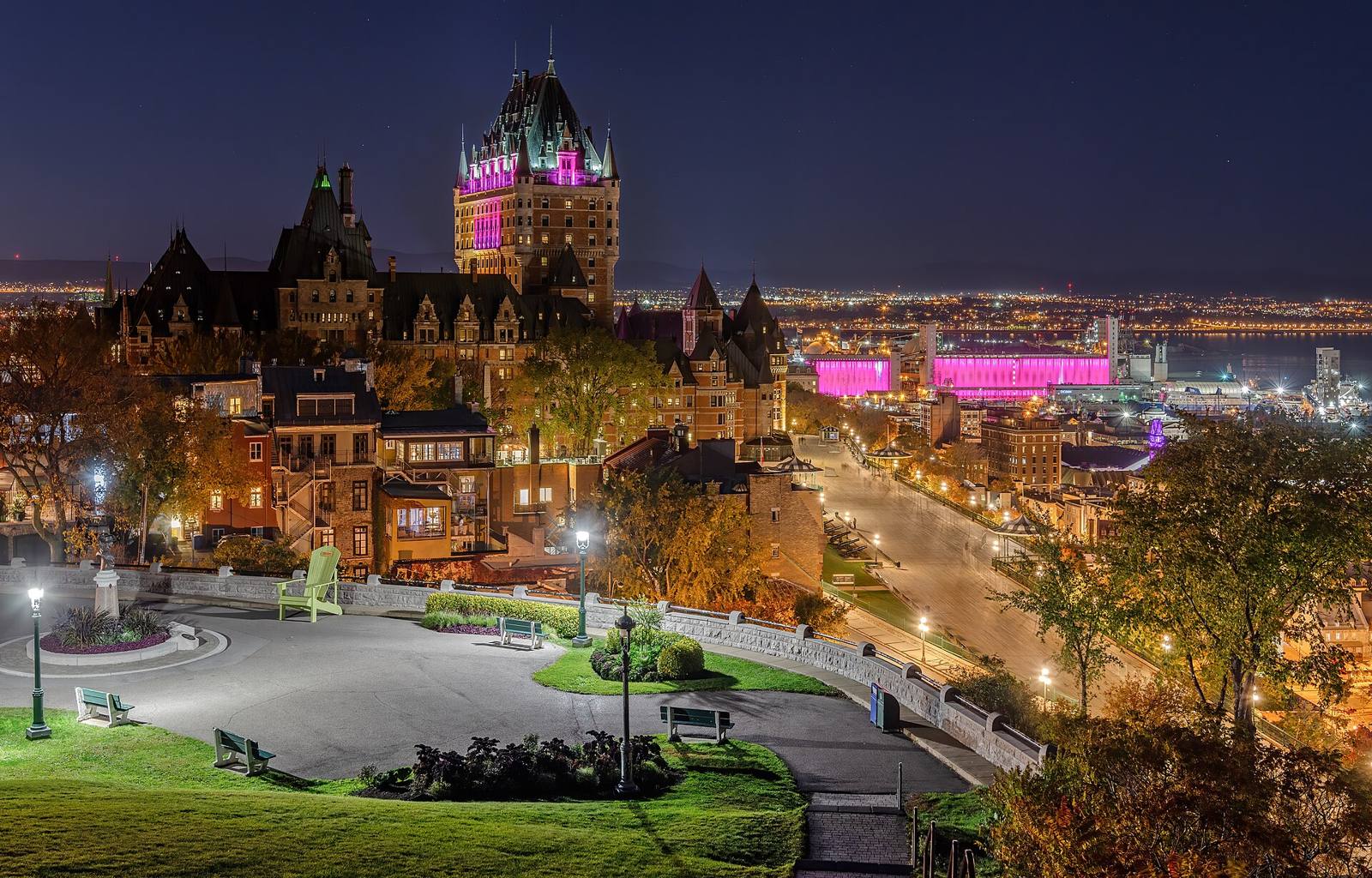 Film's bar is the final frame: photoreal, art-directed, holding up on a big screen. The craft overlaps with games, but the standard and the pipeline have their own shape.
How film hiring differs from games
Film optimises for FINAL-FRAME photorealism, not real-time performance, so fidelity, detail and how it holds up on screen matter more than frame budgets. Roles are more specialised (matte painting, set extension, environment/DMP, layout), and your reel is judged on rendered image quality.
The mental shift from games to film is from real-time to final-frame. Games balance beauty against a frame budget; film pushes fidelity as far as the shot needs, because it renders offline and only the final image matters. That changes everything downstream: detail and photorealism outrank optimization, roles are more specialised (matte painting, digital matte painting/DMP, set extension, environment modelling, layout), and your reel is judged on how convincing the rendered images are. It's less "can this run at 60fps" and more "does this hold up as a believable frame on a cinema screen." Understanding that different optimisation target is the first step to positioning yourself for film.
The reel that gets you noticed
A short, tightly-edited reel of your best final-frame environment work, photoreal, well-composed, holding up at full resolution, with a breakdown of your contribution. Quality and realism over quantity; one stunning believable environment beats a montage of okay ones.
Film is a reel industry. What gets you noticed is a short, ruthlessly-curated reel of your strongest environment work presented as final frames: photoreal, cinematically composed, holding up at full resolution, plus a breakdown that clarifies exactly what you did on each shot (crucial in a collaborative pipeline). The standard is believability: a reviewer is asking "would this survive in an actual film frame?" One genuinely convincing, well-composed environment does more than a montage of competent-but-not-quite ones. As in games, quality and finish beat quantity, but the specific bar is photoreal final-frame credibility rather than interactive shippability.
The pipeline skills that matter
High-fidelity modelling and texturing, strong lighting/lookdev sensibility, matte painting and set extension, camera and composition sense, and increasingly USD-based pipeline fluency. Film is deeply collaborative and pipeline-driven, so being a clean, predictable pipeline citizen matters a lot.
Film pipelines are large, specialised and collaborative, so the valued skills include high-fidelity modelling and texturing, a strong lighting and lookdev eye (even if lighting is a separate role, understanding it helps), matte painting / set extension for extending or creating environments beyond the built set, and a solid camera and composition sense since you're building for specific shots. Increasingly, USD-based pipeline fluency matters, because film standardised on it for interchange and collaboration. And because these pipelines involve many hands, being a clean, predictable, well-organised pipeline citizen, tidy assets, clear naming, faithful handoffs, is genuinely valued, sometimes as much as raw artistry.
 Historical sets, fantastical worlds, digital extensions of real locations: film environment work spans matte painting to full 3D builds, unified by one demand. It must be believable in the final shot.
Real-time and virtual production are opening doors
Virtual production (LED volumes, real-time engines on set) means film now uses game-engine environment skills directly. Unreal environment artists are increasingly hired for film. The game/film boundary is blurring, which makes crossing over more feasible than ever in 2026.
Here's the encouraging 2026 reality: virtual production has brought game-engine environments onto film sets. LED volumes displaying real-time environments, and real-time engines used for previs, set extension and even final pixels, mean film now hires people with game-engine environment skills directly. An Unreal-fluent environment artist is increasingly employable in film in a way that wasn't true a few years ago. The boundary between game and film environment art is genuinely blurring, so real-time skills you built for games can be a bridge into film rather than a mismatch. If you're coming from games, virtual production is very likely your most natural entry point, so lean into it.
How to position yourself
Tailor your reel to the kind of studio you're targeting (feature VFX, episodic, virtual production, animation), emphasise photoreal final-frame quality and clean pipeline work, learn USD, and use virtual production as a bridge if you're coming from games. Target and tailor rather than spray.
Position deliberately. Decide which corner of film you're aiming at, feature VFX, episodic TV, animation, virtual production, and tailor your reel and skills to it, because their needs differ. Emphasise photoreal final-frame quality and evidence you're a clean pipeline collaborator. Learn USD, since it's increasingly the shared language. And if you're crossing from games, foreground your real-time and virtual-production skills as the bridge they now are. Target specific studios whose work matches yours and tailor your application rather than spraying generically. And practically, the same truth as everywhere holds: anything that helps you finish more polished environment pieces for your reel, faster building and dressing, strengthens your case, which is why efficient environment tooling like Numivo, even when built for games, helps you produce the finished work a film reel needs too.
Field numbers worth stealing
- Film optimises for final-frame photorealism, not real-time performance
- The reel is king: short, curated, photoreal, with a breakdown of your contribution
- Valued skills: high-fidelity modelling/texturing, lookdev sense, matte/set extension, camera sense, USD
- Be a clean pipeline citizen: tidy, predictable handoffs matter in collaborative film
- Virtual production makes game-engine skills a real bridge into film in 2026
Mini-FAQ
Can I move from games to film environment art? More easily than ever, thanks to virtual production making real-time engine skills directly relevant. Emphasise your engine and VP skills, raise your work to final-frame photoreal quality, and you have a genuine path across.
Reel or portfolio website for film? A reel is expected: short, curated, final-frame, often alongside a site with stills and breakdowns. The moving, edited reel is the film industry's primary format; make it your centrepiece.
Do I need to know USD for film? Increasingly valuable, since film standardised on it for pipelines. You don't need to be a pipeline engineer, but understanding USD and being a clean pipeline collaborator meaningfully strengthens a film application.
Is film more or less competitive than games? Both are competitive, differently: film is more specialised and pipeline-driven with a higher photoreal bar. The upside is that virtual production has widened the door for real-time-skilled artists, so the crossover is more open than the reputation suggests.
Breaking into film and VFX environment art in 2026 means meeting a different bar: final-frame photorealism, specialised pipeline craft, a strong reel. But the door is more open than it looks, because virtual production has made your real-time skills directly relevant. Raise your work to photoreal, present it as a tight reel, be a clean pipeline citizen, and use virtual production as your bridge, and the film industry becomes a very reachable next step.